Commercial Waste Removal in Northolt for straightforward business clearances
Commercial waste removal in Northolt should be organised around the reality of the premises, the type of material on site and the way your business operates. We provide a practical waste removal service that helps with everyday commercial clearances, periodic uplift work and one-off jobs where mixed materials need separating before they leave the property. The aim is to keep the process clear, lawful and suited to the space you are working in, whether that is a shop, office, workshop, storage unit or other business setting.
Our approach is centred on commercial waste removal rather than a one-size-fits-all clear-out. That means we can deal with mixed non-hazardous waste, bulky items, office contents and other reusable or recyclable materials in a structured way. If you need a sensible way to clear space without disrupting your day, the service is designed to keep the job moving while remaining careful about access, sorting and what should be handled separately. Use the details here to decide what needs moving, then request a quotation when you are ready.
For many businesses, the useful starting point is knowing which items are part of the collection and which require another route. Our service can support planned clearances, end-of-lease tidy-ups, stockroom sorting and ad hoc uplift work where materials have built up over time. If you have a mixed load, the cleanest result often comes from identifying the main categories first so that the work can be quoted clearly and completed efficiently.
Business waste collected with a clear, workable plan
Commercial waste often includes more than simple rubbish. A typical business clearance may involve cardboard, packaging, broken fixtures, shelving, desks, chairs, shop fittings, archive materials and general non-hazardous refuse. Because the content can vary so much, we focus on the details that affect the collection itself: access, volume, item type and whether anything needs separate handling. That practical planning helps avoid confusion and keeps the service aligned with your site conditions.
If your premises produce waste regularly, it is often helpful to think in categories rather than in piles. A reception area might have redundant furniture and paperwork; a stockroom may hold damaged goods and packaging; an office could have mixed furniture and IT-related items awaiting disposal. We can assist with a range of business clearances, but the work is always easier when the load is described accurately at the outset. A plain inventory or photographs can help, although the main aim is simply to make the quotation and collection plan as accurate as possible. See pricing and quotes for a more structured starting point if you want to compare the kind of information usually needed.
What a commercial clearance can include
Commercial clearances are rarely identical, so the service needs to stay flexible. One job might be mostly bulky items, while another may involve smaller contents gathered from cupboards, shelving or storage. We can work around a range of non-hazardous business waste and separate items where necessary. The important point is that the load is described honestly and clearly, so the collection can be arranged with the right capacity and the most suitable disposal route.
Office waste removal for desks, chairs and working stock
Office waste removal in Northolt usually requires attention to layout as well as volume. Desks, task chairs, filing cabinets, meeting tables, monitors and mixed documents can all create a clearance that needs a tidy sequence rather than a rushed lift. We can support office clearances where items need removing from workrooms, back offices, meeting spaces or shared storage, with care taken not to disturb the rest of the site more than necessary. The work is practical, not theatrical: it is about making the area manageable again.
Different offices generate different kinds of waste, and that affects the collection plan. Some workplaces mainly need old furniture taken away; others have surplus stationery, packing material, shelves, archive boxes or obsolete equipment that needs sorting before removal. In a compact office, the best result usually comes from grouping items in advance. In a larger workplace, it may be better to remove waste section by section. If the job involves mixed contents, our team can help with organised removal that matches the layout of the property rather than forcing everything through one rigid process.
Useful office clearances often depend on simple preparation. A short list can help if you want to describe what is staying and what is leaving, and it can be useful to flag any tight stairways, loading restrictions or reception controls. You do not need to overcomplicate the enquiry: just make the load intelligible so the quotation reflects the work. If you want a practical next step, ask for a quotation once you have an overview of the items involved.
Furniture removal and disposal for commercial premises
Many commercial clearances are driven by furniture rather than loose waste. Chairs, desks, cabinets, reception seating and shelving can take up valuable floor area and are often awkward to move without a plan. Our furniture removal and disposal work is suited to premises that need a careful lift-out and lawful onward handling of usable, recyclable or non-recyclable items. Where possible, we look at the furniture as a group so the work can be arranged efficiently and without unnecessary disruption to the building.
Furniture from business premises may need to be removed for refurbishment, relocation, downsizing or general renewal. Different items can require different treatment depending on size, material and condition. A solid wooden cabinet and a flat-pack shelving unit do not behave the same way during loading, and upholstered items need different handling again. That is why it helps to describe the items rather than simply saying “office wasteâ€. If your clearance includes both furniture and general rubbish, we can deal with the combined load as long as the contents are properly identified in advance.
Why item type matters for commercial furniture work
Furniture collections are often smoother when heavy and awkward items are separated from smaller loose waste before collection day. That can make loading faster and also helps with access through corridors, lifts and shared entrances. If you have furniture in more than one room, or some items are to be kept while others are going, the distinction is worth noting. It is a small administrative step, but it makes a measurable difference to the clarity of the job and the accuracy of the quotation.
House clearance, flat clearance and mixed property contents

Although the main focus here is commercial waste removal, some jobs involve property contents that sit between domestic and business use. House clearance, flat clearance and mixed contents removal can be relevant where a property contains belongings, furniture or stored items that need to be taken away in an orderly way. We can help with these kinds of clearances when the work is tied to a lawful removal job and the items are suitable for this service. The key is to distinguish ordinary contents from anything that requires specialist handling.
Property clearances often include varied loads: furniture, soft furnishings, boxed items, general clutter, kitchen contents and other household objects that have accumulated over time. In a flat, access can matter as much as the items themselves; in a house, the challenge may be volume, rooms spread over several floors or objects stored in lofts or garages. If your business instruction includes an estate, letting, refurbishment or change-of-use scenario, the same practical principles apply: identify what is to go, explain the access route and note any items that must remain in place.
For mixed contents, a calm and careful approach usually works best. It is often easier to separate obvious keeps from obvious removals before anything is moved, especially if there are items with personal or operational value. The collection can then be planned around the load rather than around guesswork. If you need a simple way to progress, use the service details to decide what falls within scope and then take the next step when ready.
Garage, loft and storage area clearances
Storage spaces tend to gather the items that no longer have an obvious home elsewhere. Garage clearance, loft clearance and other internal storage work can involve boxes, old fixtures, broken equipment, spare furniture and mixed items that have been left in place for months or years. In commercial settings, these spaces may also contain archived materials, old stock or surplus fittings. We can remove these contents in a structured way, with attention to the practical issue of moving them safely out of compact or awkward spaces.
These jobs are rarely just about lifting things out. A garage or loft may have restricted access, low headroom, narrow steps or limited turning space, so the loading sequence matters. Heavy objects may need to come out first, while lighter materials can be grouped together to keep the work efficient. If the contents include dusty, awkward or mixed items, it is worth noting that in advance. The clearer the description, the easier it is to plan the collection and keep the cost conversation sensible.
One good habit is to sort the space into broad categories before the collection: keep, remove, and not sure yet. That simple framework avoids accidental disposal and helps you make a more accurate enquiry. It also gives you a better sense of whether the job is mostly bulky items, mostly small loose waste, or a combination of both. When the space is ready, the next step is straightforward: get a quotation.
Garden clearance and outdoor commercial waste

Garden clearance is often needed alongside wider commercial waste removal when outdoor areas have become cluttered with green waste, broken planters, old fencing, timber, soil, broken furniture or other mixed debris. Business premises with yards, forecourts, communal planting areas or rear access spaces can all accumulate material that needs a proper collection. We can support these clearances where the load is suitable for the service and the work is planned around the site’s layout and access.
Outdoor clearances vary more than many people expect. One job may be mainly cuttings and branches, while another may include pots, trellis, edging, timber offcuts and weathered outdoor fittings. If there is a mix of green waste and hard materials, it is best to mention that in the enquiry because it affects how the load is described and handled. A clear list of the main items is more useful than a vague summary. That way, the collection can be arranged with the right expectations, and there is less scope for uncertainty on the day.
If your site has both internal and external waste, it can be sensible to combine the two into one planned clearance. Doing so can reduce repeated disruption and make it easier to leave the space tidy in one visit. The practical aim is not to overcomplicate the job, but to make the process clear enough that the service matches what is actually on site.
Specialist disposal for appliances, mattresses and other bulky items
Some commercial clearances include items that are awkward because of size, shape or handling requirements rather than simply because they are heavy. Fridges, freezers, mattresses and sofas are common examples, and they often need a more specific disposal plan than loose rubbish or small furnishings. Where these items are part of a wider clearance, we can include them in the service if the job is suitable and the contents are described accurately. They are often best treated as distinct items within the overall load.
Bulky items can affect how the work is priced and how the collection is arranged, so it is useful to identify them separately. A single fridge is not the same as a mixed office clearance, and a pair of mattresses does not behave like stacked cardboard or furniture. If you are deciding what should be removed, it helps to note the item count, the approximate size and whether the items are easy to reach. That information gives a clearer picture of the job and helps keep the quotation realistic. For additional detail on one of these categories, you can view the relevant fridge and appliance removal service page.
Bulkier items also benefit from a clear route out of the building. Lift access, door widths, stair turns and loading points all influence the work. If the items are already in one place, that is useful; if they are spread across different rooms, it is worth mentioning. The aim is to keep the collection practical and avoid unnecessary delay or handling problems.
How to plan a quotation and prepare the load
Quotes are easier to prepare when the job is described in ordinary, factual terms. A short note about the type of waste, approximate quantity, access arrangements and any awkward items usually gives enough information to start. If you have photographs, they can help, but they are not a substitute for a clear written description. For many customers, a simple list of what needs removing is the most efficient place to begin, especially if the site includes several rooms or mixed categories of items. Contact us if you are ready to outline the work.
It also helps to think about what is not part of the collection. Items that are staying on site, anything that may need specialist disposal and any restrictions on timing should be mentioned early. If the clearance is tied to refurbishment or a move, say so plainly so the work can be fitted around other activity. We do not need a long story; we need enough detail to understand the scale and scope. That keeps the process efficient and avoids avoidable revisions later.
Information that usually helps most
- The main item types, such as furniture, packaging, general refuse or mixed contents
- Approximate quantity or number of rooms involved
- Access details, including stairs, lifts, narrow entrances or loading restrictions
- Any items that need special attention or separate handling
- Whether the clearance is one-off, part of a move or tied to refurbishment
About Northolt

Northolt is a district in the London Borough of Ealing in west London, close to the boundary with the London Borough of Hillingdon. It lies within the historic county of Middlesex and developed from a rural settlement into a suburban area through the twentieth century, particularly after transport links and housing growth expanded the built-up landscape. The name appears in medieval records, and the wider area has long been associated with the old parish of Northolt before modern administrative changes altered how it is governed. Today, the place is best understood as a residential and local-centre district rather than a single compact town centre, with varied streets, estates and open spaces spread across the area.
Recycling, sorting and responsible disposal choices
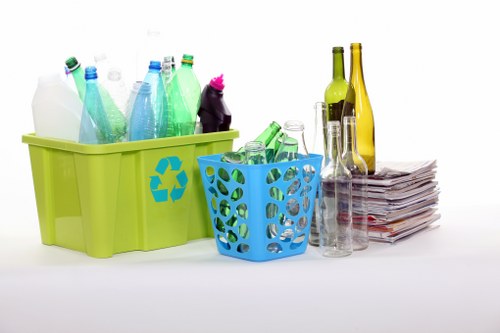
Good commercial waste removal is not only about taking items away; it is also about choosing the right route for the different materials in the load. Some items may be suitable for recycling, some may need reuse or separate treatment, and others belong in general disposal. The more accurately the waste is described, the easier it is to match it with the right handling path. That matters whether the job is a small office clear-out or a larger site clearance with mixed materials.
Recycling is often more successful when the waste is sorted before or during collection rather than after everything has been compressed into one pile. Cardboard, certain metals, some wood, office furniture and selected appliances may all follow different routes depending on their condition and composition. We can help with clearances that take this into account, but the useful part for the customer is the decision-making: decide what should leave, what should stay and whether any items require separate treatment. For a related overview, read about recycling and sustainability to see how the broader disposal approach is presented.
That kind of sorting is especially helpful where a business has a regular churn of stock, packaging or furnishings. Rather than treating every item as interchangeable, it can be more efficient to identify the main material groups first. This does not need to become a complex exercise. A straightforward, honest description of the load is usually enough to make the clearance run smoothly and keep expectations sensible.
Hazardous, confidential and restricted items
Not every item can be treated as ordinary commercial waste. Some materials need additional care, specialist disposal or a different service altogether. Hazardous waste, confidential paperwork and certain restricted items should be identified separately before any collection is arranged. This is important because the handling, storage and transport requirements may differ from standard waste removal, and the best outcome depends on those distinctions being understood at the start.
Where paperwork is sensitive, it is sensible to separate records that must remain secure from ordinary office waste. Likewise, items such as chemicals, certain liquids or other specialist materials should not be mixed into a general clearance unless the route has been confirmed in advance. If you are unsure whether something belongs in the main load, it is better to flag it than to leave it unmentioned. The relevant specialist pages provide a clearer starting point, including confidential shredding and hazardous waste disposal.
Keeping these categories distinct helps protect both the site and the collection process. It also makes the quotation more accurate, because specialist handling can change the way the job is arranged. When in doubt, separate the questionable items and describe them plainly. That is the simplest route to a sensible discussion about what can be taken within scope.
Choosing the right service page and next step
If you are planning a clearance, the best starting point is usually the page that matches the main type of waste. A business site may need a straightforward office clear-out, while another property may need a broader general waste removal arrangement or a furniture-focused collection. Matching the job to the right service makes it easier to ask the right questions and understand what information matters before a quotation is issued. If you want to review the general service first, see waste removal for the broadest overview.
There can also be good reasons to look at related pages when the clearance is more specific. A workshop or construction-adjacent site may need building-related waste handled in a different way from office contents, and a business that is closing storage space may be more interested in a room-by-room clear-out than a single-item collection. The important part is to choose the category that best fits the load, then provide a plain description of what needs to go. That keeps the enquiry efficient and avoids vague assumptions.
If you have the details to hand, now is a sensible time to request a quotation and move the clearance forward. If you are still deciding whether the job is mainly furniture, general waste or a mixed site clearance, take one more look through the service pages and then send a clear summary when ready. The more accurately the waste is described, the easier it is to plan the collection and agree the next step.