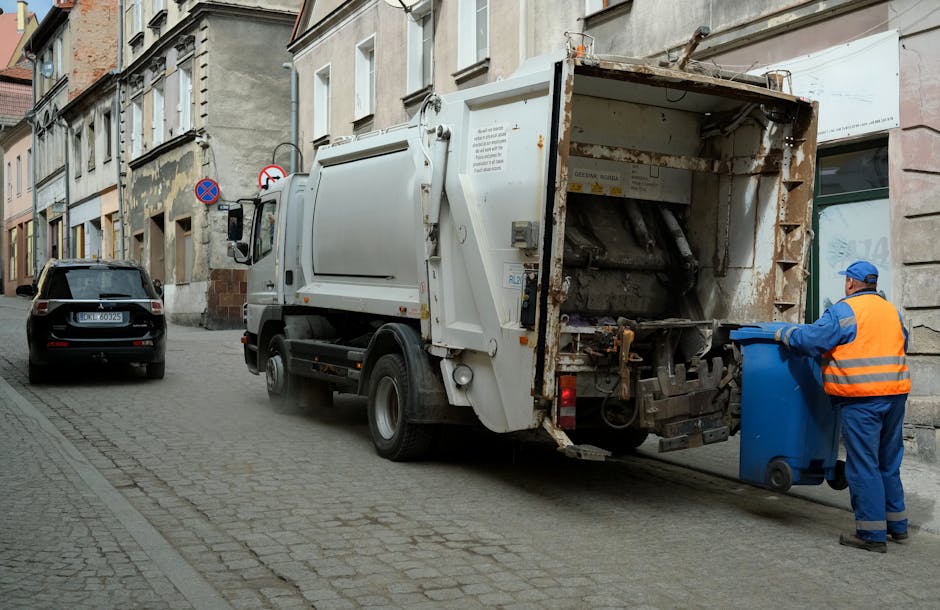
Northolt station rubbish removal no skip needed: a practical guide for fast, tidy clearances
If you need Northolt station rubbish removal no skip needed, you are probably after the simplest route from cluttered space to clear floor, without the bother of hiring a skip, finding room for it, or worrying about permits. That is usually the real issue. Not the waste itself, but the faff around it.
This guide explains how no-skip rubbish removal works around Northolt station, why it suits busy homes and businesses, what can be removed, and how to choose the right approach for your situation. Whether you are clearing a flat, dealing with end-of-tenancy mess, or shifting bulky waste after a refit, a skip-free service can save time and reduce disruption. Let's face it, when the pavement is already busy and space is tight, convenience matters.
For readers who want to understand the wider service options, it can also help to look at the full range of waste removal support and, where relevant, specialist pages such as flat clearance or house clearance.
Table of Contents
- Why Northolt station rubbish removal no skip needed Matters
- How Northolt station rubbish removal no skip needed Works
- Key Benefits and Practical Advantages
- Who This Is For and When It Makes Sense
- Step-by-Step Guidance
- Expert Tips for Better Results
- Common Mistakes to Avoid
- Tools, Resources and Recommendations
- Law, Compliance, Standards, or Best Practice
- Options, Methods, or Comparison Table
- Case Study or Real-World Example
- Practical Checklist
- Conclusion
- Frequently Asked Questions
Why Northolt station rubbish removal no skip needed Matters
The main reason this service matters is simple: not every job needs a skip. In fact, many jobs near transport hubs are better handled without one. Around Northolt station, access can be awkward, parking may be limited, and footfall can make a stationary skip feel like one more thing to manage. A no-skip collection removes waste directly from the property or business premises, which can be a lot easier in real life.
That matters for homeowners, landlords, shop managers, office teams, and tradespeople who need rubbish gone quickly. It also matters when you do not want waste sitting outside for days. A pile of bags, broken furniture, and renovation offcuts is not just ugly. It can block access, attract attention, and create a steady drip of stress every time you walk past it.
There is also the planning side. If you place a skip on a public road, there can be extra admin, and not everyone wants to deal with that. A direct collection service avoids that whole discussion. It is cleaner, often faster, and usually far more convenient for mixed loads.
Expert summary: If your waste is already piled up inside, upstairs, in a garden, or tucked into a tight space near Northolt station, a no-skip clearance often gives you the quickest route to a clear property with the least disruption.
How Northolt station rubbish removal no skip needed Works
No-skip rubbish removal is usually straightforward, though the details can vary depending on the load. In most cases, a team arrives at the agreed time, assesses what needs to go, carries the waste out, and loads it onto the vehicle. You do not fill a skip yourself, and you do not need to guess the right skip size. That bit alone can be a relief.
The process often starts with a description or quote request. You explain what you need removed, whether it is loose rubbish, household junk, old furniture, builder's waste, or something more specific. If the waste is straightforward, you may be able to book online using book online. For pricing questions, the pricing and quotes page is the best place to understand how estimates are usually handled.
When the team arrives, they will usually work item by item or bag by bag. In a flat, that might mean going from the hallway to the van in a steady rhythm. In a shop or office, it might mean clearing back rooms, storage cupboards, or a stock area after hours. The point is speed and cleanliness, not leaving you with another mess to sort later.
If the load includes anything awkward, such as appliances, you may need a specialist service like fridge and appliance removal. For items that may need extra care, especially chemical or sharp materials, read up on hazardous waste disposal before booking. That is one of those areas where guessing is not a good idea.
Key Benefits and Practical Advantages
The biggest advantage is flexibility. You can clear waste from wherever it is stored, rather than dragging everything outside and hoping there is enough room for a skip. That is especially helpful in flats, terrace properties, shared entrances, and busy roadside locations around the station area.
Here are the benefits people usually notice first:
- No skip permit worries if you would otherwise need to place a skip on public land.
- Less disruption because the waste is removed in one visit rather than left outside.
- Better for awkward access such as upper floors, rear alleys, and tight parking spots.
- Faster turnaround for urgent clearances or last-minute move-outs.
- Less manual effort for you, because the lifting is done for you.
- Cleaner presentation for neighbours, tenants, customers, or landlords.
There is also a practical money-saving angle, though it depends on the job. A skip may look simple on paper, but once you add the time spent loading it, potential permit costs, and the risk of overfilling or underusing the space, a direct removal can compare very well. Not always. But often enough that it is worth checking.
For waste that includes old sofas, broken chairs, or general bulky furniture, the dedicated pages for furniture clearance and mattress and sofa disposal can be useful. If you are looking at more general household work, home clearance may also fit the bill.
Who This Is For and When It Makes Sense
This kind of service suits a wide range of people, but it is especially useful if your waste is spread across multiple rooms or stored in a place that is hard to access. A skip outside a block of flats is not always realistic. A direct load-out from inside the building is often much more sensible.
Typical situations include:
- Tenants moving out and needing a quick end-of-tenancy clear-up
- Landlords preparing a property for new occupants
- Shop owners clearing packaging, shelving, and unwanted stock
- Office managers replacing desks, chairs, and filing cabinets
- Homeowners clearing lofts, garages, sheds, or spare rooms
- Tradespeople finishing small refurbishments with mixed debris
If you are dealing with renovation waste, the dedicated builders waste clearance page is a good match. For storage spaces that have become a catch-all for old bits and pieces, garage clearance and loft clearance are both worth considering. And if the property is a rental or a compact flat near the station, a flat clearance can be the most practical route.
To be fair, some people only need one bulky item gone. Others are staring at a mountain of mixed junk. Both are valid. The service should fit the waste, not the other way round.
Step-by-Step Guidance
If you want the job to go smoothly, a little preparation helps. You do not need to stage everything perfectly, but you do want to make access simple and the collection clear.
- Sort the waste by type. Separate general rubbish from items that may need specialist handling, such as appliances or potentially hazardous materials.
- Identify bulky items. Sofas, beds, wardrobes, and broken furniture take more time to move and may affect how the collection is planned.
- Check access routes. Hallways, stairwells, lifts, and rear entrances all matter, especially in shared buildings.
- Take a few photos. Images often help with accurate quoting and reduce surprises on the day.
- Ask about restrictions. If you have fridges, paint, chemicals, or mixed construction debris, make sure the team knows in advance.
- Book a sensible time window. If parking is tight or the building is busy, an early or off-peak slot can make life easier.
- Keep the route clear. A tidy path to the waste area can save a surprising amount of time.
A small note from experience: the properties that go best are the ones where someone has quietly removed the obvious obstacles first. Shoes from the hallway, a bike in the way, a locked side gate, a box of cables nobody mentioned. Tiny things, but they matter.
Once the waste is gone, take a quick look around for anything left behind. A good clearance should feel complete, not half-finished. That final glance takes thirty seconds and can save a callback later.
Expert Tips for Better Results
If you want a smoother no-skip removal, think in terms of access, clarity, and timing. Those three things do more for the job than most people realise.
Tip 1: Describe the waste honestly. If there are mixed materials, say so. If there is a sofa hidden behind the boxes, say that too. Clear information makes better planning possible.
Tip 2: Separate reusable items from rubbish. If you have furniture in decent condition, it may be better to place it in a different clearance category rather than mix it with general junk.
Tip 3: Use the service that matches the load. An office clear-out is not the same as garden waste, and a fridge is not the same as general rubbish. Matching the service to the job helps with speed and disposal planning. If you need that sort of specialist help, pages like office clearance and garden clearance can guide you.
Tip 4: Prepare for lifting space. Doors open wider than you think, and stair corners can be awkward. It sounds obvious, but people forget it all the time. Then there is that one chair that will only turn at a strange angle.
Tip 5: Ask about recycling. Responsible removals should not just throw everything together. If sustainability matters to you, the recycling and sustainability page gives a better feel for how materials may be handled.
Common Mistakes to Avoid
The most common mistake is assuming every load can be dealt with the same way. It cannot. Mixed rubbish, appliances, furniture, and hazardous items each need proper handling. If you bundle everything together without checking, you can create delays or extra charges.
Another frequent slip is underestimating access. A narrow staircase, a parking restriction, or a locked gate can turn a simple job into a longer one. It is not dramatic, just inconvenient. A little honesty during booking helps avoid that.
People also sometimes forget to check what should stay out of the load. Paint tins, oils, batteries, gas cylinders, and certain chemicals can require separate handling. That is not the place for a "see how it goes" attitude.
Then there is the classic mistake of waiting too long. If you leave a clearance until the day before a move, handover, or refit, you are inviting stress. A day or two of breathing room can make a much nicer difference than you might expect.
Finally, do not choose purely on the promise of being the cheapest. That is a trap. A clear, insured, and properly managed service is usually the better value, especially if you care about who handles your waste and where it ends up.
Tools, Resources and Recommendations
You do not need many tools for a no-skip rubbish removal, but a few simple things make the process easier.
- Phone camera for photos of the load and access points
- Labels or sticky notes if you want to mark items to keep, remove, or recycle
- Gloves and sturdy shoes if you are moving small items yourself before the team arrives
- Measuring tape for checking large furniture or awkward doorways
- Notebook or checklist so nothing gets missed in a hurry
On the website, a few resources are especially relevant depending on what you need removed. For business clients, business waste removal may be a better fit than a general collection. For old furniture that needs moving from a property with lots of content, furniture disposal is useful. If you are unsure how a skip compares with a direct collection, the what can go in a skip page is a solid reference point for understanding load types and limitations.
For service trust and operational detail, it is also reasonable to review the company's about us, insurance and safety, and health and safety policy pages. These are the kinds of pages people often skip past, then wish they had checked.
Law, Compliance, Standards, or Best Practice
Waste removal in the UK should be handled with proper care, especially where transfer, sorting, and disposal are involved. Without turning this into a legal lecture, the basic best practice is clear: use a provider that understands what can be collected, what needs separate treatment, and how waste should be kept traceable. If you are a business, this matters even more. Mixed office waste, confidential papers, and electrical items all raise different expectations.
For customers, the sensible approach is to ask direct questions. Where does the waste go? Are recyclable materials separated? How are restricted items dealt with? What happens if there are unexpected materials on site? Those are fair questions. Good operators should answer them plainly, not dance around them.
If your load includes confidential paperwork, use a service designed for secure handling rather than tossing it into general waste. The site's confidential shredding page covers that use case more appropriately than a standard rubbish collection.
It is also worth remembering that safety is not just a box-ticking exercise. Heavy lifting, sharp edges, damp waste, and awkward stairways all bring practical risks. A service that follows its own insurance and safety procedures, and works in line with documented standards, is simply a better bet. Nothing fancy. Just sensible.
Options, Methods, or Comparison Table
If you are deciding between a skip and a no-skip collection, the right answer depends on access, timing, and the nature of the waste. Here is a simple comparison to help you think it through.
| Method | Best for | Pros | Potential drawbacks |
|---|---|---|---|
| No-skip rubbish removal | Homes, flats, offices, mixed clearances, awkward access | No skip on the road, quicker turnaround, lifting handled for you | Usually depends on quote based on volume and waste type |
| Skip hire | Projects where you can load waste yourself over time | Useful for ongoing DIY or renovation work | May need space, permit considerations, and manual loading |
| Self-haul to a site | Small loads and people with a suitable vehicle | Direct control over disposal timing | Time-consuming, tiring, and not ideal for bulky items |
For many Northolt station customers, no-skip removal is the better fit because the location and the property layout matter as much as the waste itself. If you are clearing out a flat, removing old office furniture, or handling a mixed domestic load, the simplest method is often the one with the fewest moving parts. That tends to be true more often than not.
Case Study or Real-World Example
Here is a realistic example. A small flat near Northolt station needs clearing after a tenant move-out. The space includes two broken chairs, a mattress, several black bags of mixed rubbish, a few small electrical items, and some leftover packaging from flat-pack furniture. The hallway is narrow, the building has shared access, and parking outside is tight by mid-morning.
In that situation, a skip would be clumsy. It might need a permit if placed on the road, and the tenant would still need to carry everything down multiple floors. A no-skip rubbish removal team can instead arrive, load the items from inside, and clear the flat in one visit. The process is faster, there is less mess in the street, and the landlord can move on to cleaning and re-letting sooner.
The same logic applies to a small office near the station that is replacing old desks and filing cupboards. A direct clearance avoids blocking the entrance with a skip and reduces the awkwardness of staff having to lug furniture past customers. Simple, really. And a lot less hassle on a rainy afternoon when everyone is already fed up.
Practical Checklist
Use this checklist before your collection day.
- Identify exactly what needs removing
- Separate anything that must stay or be recycled elsewhere
- Check whether any item is hazardous or specialist
- Measure large furniture if access is tight
- Take photos for a clearer quote
- Make sure doors, gates, and hallways are accessible
- Tell the provider about parking or time restrictions
- Keep pets, children, and bystanders away from the moving route
- Confirm whether the load includes appliances, mattresses, or business waste
- Review the booking details before the team arrives
If you are clearing a property with mixed contents, the service pages for house clearance and home clearance are worth revisiting, because they help you think about the job in the right categories. That can save time and avoid crossed wires.
Quick takeaway: the more clearly you define the waste, the easier it is to move it efficiently. A tidy plan beats a rushed one every time.
When you are ready to arrange a collection, check the service detail, compare the load type, and use the booking route that feels easiest for your situation. If you want to understand the company behind the service first, you can also read more on the about us page.
Get a free quote today and see how much you can save.
Conclusion
Northolt station rubbish removal no skip needed is all about removing friction. You get the waste gone without turning the street into a loading bay, without wrestling with a skip size decision, and without having to manage the whole thing yourself. For many homes and businesses, that is exactly the balance they need.
Whether you are clearing one bulky sofa or a mixed pile from a flat, office, garage, or garden, the best results usually come from clear communication, sensible preparation, and choosing a service that matches the job. Nothing complicated. Just a practical answer to a messy problem.
If you take one thing from this guide, let it be this: when access is tight and time matters, skip-free rubbish removal is often the calmer, cleaner option. And honestly, calmer is underrated.
Frequently Asked Questions
What does no skip needed rubbish removal actually mean?
It means the waste is collected directly from your property or premises instead of being placed into a skip outside. The team loads it for you, which is useful when space is tight or you want to avoid skip-related hassle.
Is Northolt station rubbish removal no skip needed suitable for flats?
Yes, very often. Flats can be awkward for skip hire because of access, parking, and shared entrances. A direct collection is usually a better fit for upper floors and compact buildings.
Can you remove bulky furniture without a skip?
Absolutely. Sofas, beds, wardrobes, chairs, and similar items are commonly removed through no-skip clearance. If you have multiple pieces, furniture-specific services may help the booking run more smoothly.
What happens if I have mixed rubbish and appliances?
Mixed loads are common, but appliances should be mentioned in advance because they may need separate handling. Fridges, freezers, and similar items are usually best treated as specialist removals.
Do I need to sort everything before collection?
No, not perfectly. But it helps to separate clearly hazardous items, keep valuables aside, and point out anything unusual. A little prep makes the job faster and can improve the quote accuracy.
Is this cheaper than hiring a skip?
Sometimes, yes, but not always. It depends on the amount of waste, how easy it is to access, and whether you would need a permit or a larger skip. The best approach is to compare based on your specific load.
How quickly can rubbish be removed near Northolt station?
That depends on availability and the size of the job. Smaller collections can often be arranged more quickly than large clearances, especially if the waste type is simple and access is straightforward.
What items cannot go in general rubbish removal?
Items such as certain chemicals, oils, batteries, gas cylinders, and other hazardous materials may need separate treatment. If you are unsure, mention them before booking rather than leaving it to chance.
Can businesses use no-skip rubbish removal too?
Yes. Offices, shops, landlords, and tradespeople often use it because it avoids blocking entrances and reduces downtime. For larger commercial loads, business waste services can be a better match.
What should I ask before booking a collection?
Ask how pricing is based, what items can be taken, whether there are restrictions, and how specialist waste is handled. It is also sensible to ask about insurance and what happens if the load turns out to be different from the description.
Is no-skip rubbish removal good for one-off clearances?
Yes, that is one of its best uses. One-off clearances like moving out, after a refurbishment, or clearing a cluttered room are often easier without a skip sitting outside for days.
What is the next sensible step if I want to arrange one?
Start by listing the items, taking a few photos, and checking the pricing and booking information. If the load is straightforward, you can move ahead quickly. If it is mixed or includes specialist items, note that first so the collection can be planned properly.