What to know about urgent rubbish removal in Northolt
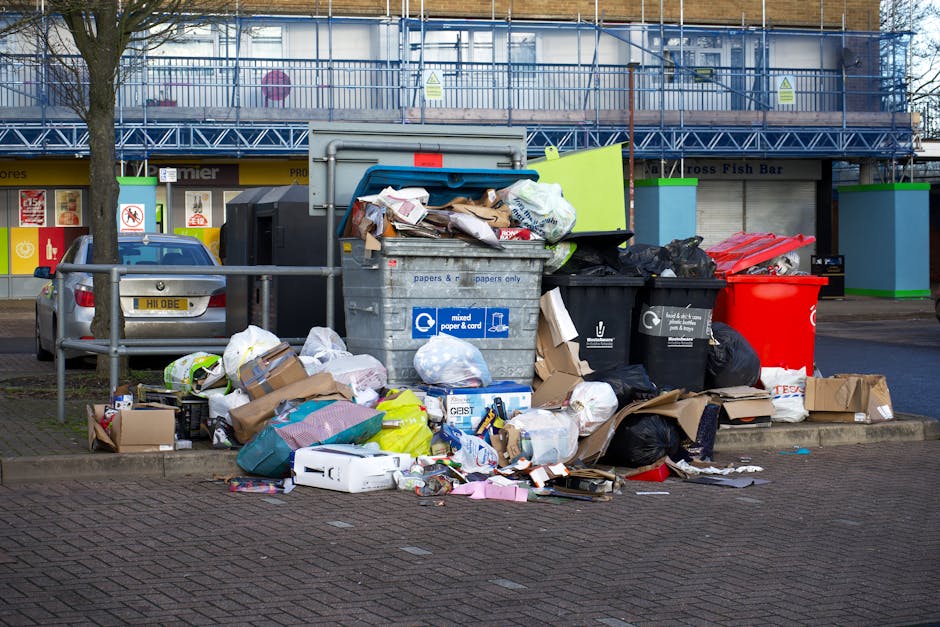
If you are dealing with a pile-up that cannot wait, What to know about urgent rubbish removal in Northolt comes down to one simple idea: move fast, stay safe, and avoid turning a messy problem into a bigger one. Maybe it is a post-refurbishment pile of rubble by the front door, a sofa blocking access in a flat, or garden waste that has started to look a bit too permanent. Whatever the scenario, urgent rubbish removal is about getting the space clear without the usual delays.
In Northolt, that urgency often comes with real-life pressure. Parking can be awkward, time windows can be tight, and access around shared entrances or busy streets can complicate what looks like a quick job. This guide walks you through how urgent waste collection works, what to expect, where the risks hide, and how to choose the right approach without overcomplicating things. Truth be told, the best urgent jobs are usually the ones that are planned properly, even if the clock is ticking.
Why urgent rubbish removal in Northolt matters
Urgent rubbish removal matters because waste has a habit of creating a chain reaction. One skipped collection can block a hallway, attract flies, get in the way of contractors, or simply make a home or business feel harder to use. And once rubbish is in the way, it is usually all you notice. The box pile becomes the room. The broken appliance becomes the problem. Not ideal.
In a place like Northolt, there is also the practical side. Homes, flats, shops, offices, and building sites often operate with limited storage space. If you are clearing after a move, a tenancy end, an office tidy-up, or a rush job on a renovation, waiting a week can be the difference between a manageable task and a stressful one. Urgent collection gives you momentum. That is the real value.
It also matters for safety. Loose rubble, sharp furniture edges, damaged appliances, and damp garden waste can all create hazards. A quick clearance reduces the chance of trips, blocked exits, and those annoying little accidents that happen when things are left "just for now".
Expert summary: Urgent rubbish removal is not just a convenience service. In the right situation, it is a practical way to reduce stress, protect access, improve safety, and keep a project or property moving on time.
How urgent rubbish removal in Northolt works
The process is usually straightforward, though the details can vary by provider and by the type of waste involved. Most urgent removals begin with a quick description of the job: what needs removing, roughly how much there is, where it is located, and how soon you need it gone. A good provider will ask clear questions here. That is a good sign, not an inconvenience.
After that, you will usually receive a quote or an estimate based on volume, access, labour, and disposal requirements. For urgent collections, speed is often built into the service. In practice, that might mean same-day or next-day attendance, depending on availability and the size of the load.
On arrival, the team will assess access, confirm the waste type, and remove the items manually or with suitable equipment. If the rubbish is mixed, bulky, awkward, or unusually heavy, the job may take longer than a simple "three-item pickup". That is normal. A staircase in a Northolt flat, a narrow side passage, or a rear garden full of wet branches can all change the pace.
Once loaded, the waste should be taken for sorting, recycling, or responsible disposal. A proper service will not just make the rubbish disappear; it should also deal with it in a lawful and sensible way. You do not want the relief of a clear driveway followed by a disposal headache later on. Nobody does.
Key benefits and practical advantages
There are several reasons people choose urgent waste collection instead of waiting for a standard slot or trying to manage the mess themselves.
- Fast clearance: Useful when access, deadlines, or safety are on the line.
- Less disruption: Keeps homes, shops, and work sites usable.
- Manual loading included: Helpful for heavy items, awkward stairs, and bulky rubbish.
- Reduced stress: You do not need to hire a vehicle or make multiple trips.
- Better for mixed loads: Handy when waste types are varied and sorting would take too long.
- Cleaner finish: A proper clearance leaves the area ready for the next task.
There is also a less obvious benefit: urgency often forces clarity. When time is short, people make decisions faster and waste less effort overthinking tiny details. That can be a good thing. Do you need it cleared today, or can it wait? Is the real issue volume, access, or safety? Asking those questions early saves time later.
For many customers, the biggest practical advantage is simply getting their space back. A cluttered hallway, an overloaded garage, or a builders' pile that has started to sprawl can make daily life feel oddly compressed. Once it is gone, the whole property feels different. Brighter, somehow. Easier to breathe in.
Who this is for and when it makes sense
Urgent rubbish removal is not only for emergencies. It makes sense any time delay creates a real problem. In Northolt, that often includes residents, landlords, tradespeople, offices, retailers, and property managers who need a fast turnaround.
Common situations where urgent removal helps
- End-of-tenancy clearances where time is tight between occupants.
- Post-renovation waste such as timber offcuts, packaging, plasterboard, and broken fittings.
- Bulky household items including wardrobes, mattresses, sofas, or broken furniture.
- Garage, loft, or shed clear-outs when clutter has built up for years and now needs shifting quickly.
- Business clearances after an office move, refit, or closure.
- Garden waste build-up after pruning, landscaping, or storm damage.
- Access issues where waste must be removed before deliveries, decorators, or contractors can continue.
Sometimes the need is emotional too. A house clearance after a difficult family event, for example, can be as much about reducing pressure as it is about removing physical items. In those moments, speed matters, but so does care. You want a team that understands the difference between a quick job and a rushed one.
If the waste includes confidential items, electricals, or potentially hazardous materials, urgency should never mean carelessness. It just means the planning needs to be sharper. A bit more thought up front, less mess later.
Step-by-step guidance
If you want the process to go smoothly, it helps to treat urgent clearance like a short project rather than a last-minute scramble. Here is a practical way to handle it.
- Identify the waste clearly. Make a quick list: furniture, bags of general rubbish, renovation debris, appliances, garden waste, or mixed items.
- Check what needs special handling. Separate anything hazardous, confidential, fragile, or especially heavy.
- Estimate the volume. Think in practical terms: a few bin bags, a van load, or something larger. A photo helps a lot.
- Confirm access. Note stairs, narrow corridors, parking limits, basement routes, or rear-garden access.
- Ask for a clear price structure. Understand whether the quote includes labour, loading, disposal, and any access challenges.
- Choose the fastest workable slot. Same-day is great if it fits; otherwise, the earliest reliable booking is usually better than chasing perfection.
- Prepare the area. Move personal items, unlock gates, keep pets safe, and make a path if you can.
- Stay available for questions. The team may need quick decisions once they see the job in person.
- Check the finish. Make sure the agreed waste is gone and the area is left tidy enough for the next step.
That might sound obvious, but small details are where urgent jobs often wobble. A forgotten key, a blocked driveway, or a hidden pile in the back of a shed can slow everything down. Little things. They matter.
Expert tips for better results
Here are a few practical tips that can make an urgent collection smoother, cheaper, and less stressful.
- Send photos early. Images of the waste and access point are often more useful than a long explanation.
- Be honest about the load. Understating the amount usually causes delays or revised pricing.
- Group items by type if possible. Even a rough separation can speed up loading.
- Keep pathways clear. A clear route through the property can save time and reduce the chance of damage.
- Ask what happens to recyclable materials. Responsible sorting is a good sign of a well-run operation.
- Check timing around neighbours. If you are in a block or terrace, avoid causing unnecessary disruption. It is just courteous, really.
One small but useful tip: if the job involves a tight stairwell or tricky access, mention it before booking. A team can often plan around it, but they cannot magically un-narrow a staircase. Would be nice, though.
In our experience, customers get the best results when they treat the collection as a coordinated handover. Clear communication, clear access, clear expectations. It sounds simple because it is.
Common mistakes to avoid
Urgent rubbish removal can go wrong in surprisingly ordinary ways. Most problems are avoidable if you know what to watch for.
- Waiting too long to book: If you need urgent help, do not assume availability will stay open all day.
- Mixing everything together: Special items like appliances, sharps, or hazardous waste should be identified early.
- Ignoring access issues: Parking and entry points can make or break a same-day job.
- Assuming all quotes are equal: The cheapest option is not always the best if it excludes loading or proper disposal.
- Leaving the area unsafe: Loose nails, glass, and debris need attention before the team arrives if possible.
- Forgetting to ask about disposal: A fast pickup should still be handled responsibly.
Another common slip is trying to save time by not giving enough detail. That usually backfires. The provider arrives, discovers the load is bigger or harder than expected, and the whole job slows down. A minute of honesty at the start can save half an hour later. Easy win.
Tools, resources and recommendations
You do not need specialist equipment for most urgent rubbish removals, but a few simple tools and preparations can make the process easier.
Useful things to have ready
- Phone camera for photos of the waste and access points
- Basic gloves if you are sorting through clutter beforehand
- Bin bags or sacks for small loose items
- Labels or tape if you want to separate keep, donate, and remove piles
- Keys, gate codes, or building entry instructions
- Parking information if the vehicle needs to stop close to the property
It can also help to look at related clearance services if your job is not straightforward. For example, larger household declutters may be better matched to house clearance or home clearance, while a tight apartment job may suit flat clearance. If the pile is mainly old seating or bedroom items, furniture clearance and mattress and sofa disposal may be more relevant. For mixed bulky loads, waste removal is often the broader fit.
And if you are comparing wider service options, it is worth checking pricing and quotes before you book. Not glamorous, no, but very useful.
Law, compliance, standards, or best practice
When rubbish is removed quickly, compliance should still stay front and centre. You do not need to become a waste expert overnight, but you do need to make sensible choices.
In the UK, householders and businesses have different responsibilities, and some waste types require extra care. Hazardous materials, electrical items, confidential documents, and certain construction wastes should be handled appropriately. If you are not sure what class of waste something falls into, it is better to ask than guess. Guessing tends to be expensive later on.
Best practice usually includes:
- Clear waste identification before collection
- Safe manual handling for heavy or awkward items
- Proper transport and disposal through lawful channels
- Separation of recyclable material where practical
- Careful handling of sensitive items such as paper records or electronics
If your waste includes sharp objects, chemical containers, old paint, fridges, freezers, or other special items, say so upfront. For items like appliances, the route may be different from standard rubbish. You may also want to look at fridge and appliance removal or hazardous waste disposal where relevant.
Businesses should be especially careful with records, IT equipment, and confidential material. A service such as confidential shredding may be more appropriate than a general clearance. That small detail can save a lot of awkwardness. And a lot of headaches.
Options, methods, or comparison table
There is no single best approach for every urgent job. The right option depends on volume, access, time pressure, and the type of waste involved. Here is a plain-English comparison.
| Method | Best for | Pros | Things to watch |
|---|---|---|---|
| Urgent rubbish removal team | Fast, mixed, bulky, or awkward waste | Manual loading, speed, less effort for you | Needs clear access and a fair description of the load |
| Skip hire | Longer projects with ongoing waste | Good for large volume over time | Space, permits, and loading by yourself can be issues |
| Bag-based waste solution | Smaller, gradual clear-outs | Flexible and tidy for lighter loads | May be too slow for genuine same-day urgency |
| Self-clearance | Very small amounts with access to a vehicle | Can be cost-conscious for minor jobs | Time, lifting, disposal rules, and vehicle limitations |
For many Northolt customers, urgent removal beats the alternatives because it solves the whole problem in one go. But if your job is a long renovation with waste building up over weeks, another method may make more sense. There is no shame in choosing the boringly practical option. Boring is underrated sometimes.
If you want to understand what a load might include for building work, builders waste clearance and what can go in a skip can be helpful reference points, even if you do not end up using a skip at all.
Case study or real-world example
Picture a Northolt household preparing for new flooring and a furniture delivery on the same day. The hallway is blocked by an old wardrobe, two broken chairs, flat-pack packaging from an earlier job, and a few bags of mixed clutter from the loft. The delivery window is fixed. The installers are due in the afternoon. No one wants a pile of rubbish still sitting by the front door when the van arrives.
In a case like that, urgent removal is about coordination as much as clearance. The customer sends photos in the morning, confirms access and parking, and explains that the wardrobe is too large to move safely on their own. The collection team arrives, loads the waste, and leaves the entryway clear before the next trade slot begins. Simple enough on paper, but that small handover keeps the whole day from turning into a scramble.
Another common example is a small office clearing out old desks, chairs, and a box of outdated paperwork after a relocation. The team needs the space empty by closing time. If the waste is handled promptly, the move can continue without the sort of last-minute panic that makes everyone drink too much tea and stare at clocks. Not a bad outcome.
Practical checklist
Use this checklist before booking urgent rubbish removal in Northolt. It keeps things simple.
- Identify the waste type and approximate volume
- Note any heavy, sharp, fragile, or hazardous items
- Take a few clear photos
- Check access, parking, and stairs
- Decide whether same-day collection is essential
- Ask about loading, disposal, and any extra costs
- Move valuables and personal items out of the way
- Keep pets and children away from the work area
- Confirm the collection time and contact details
- Make sure the route to the waste is clear and safe
If your job is especially sensitive or complex, you may also want to review insurance and safety and health and safety policy information before going ahead. It is a small step, but it gives peace of mind.
Get a free quote today and see how much you can save.
Conclusion
Urgent rubbish removal in Northolt is really about regaining control quickly and sensibly. The best results come from clear information, realistic expectations, and a service that treats speed and responsibility as two parts of the same job. Whether you are clearing a flat, a family home, an office, or a building project, the goal is the same: remove the waste, keep things safe, and move on without fuss.
If you are weighing up your options, remember this: the cheapest or fastest-looking choice is not always the calmest one. A properly organised clearance saves time, reduces stress, and leaves you with a usable space again. And honestly, that feeling when the clutter is gone and the room finally looks like itself? Pretty good. Better than pretty good, actually.
When the mess needs handling now, a steady plan and the right team make all the difference. One clear space can change the pace of an entire day.
Frequently Asked Questions
How fast can urgent rubbish removal in Northolt usually happen?
It depends on availability, waste type, and access, but urgent collections are often arranged for the same day or the next available slot. The earlier you enquire, the better your chances of securing a fast turnaround.
What kinds of rubbish can be removed urgently?
Common urgent jobs include bulky furniture, bagged household waste, garden debris, mixed clutter, renovation waste, and office clearances. Some items, such as hazardous materials or specialist appliances, may need separate handling.
Is urgent rubbish removal more expensive than a standard booking?
It can be, because speed and short-notice scheduling may affect the quote. That said, the total cost depends on volume, labour, access, and the type of waste. A clear description upfront helps avoid surprises.
Do I need to move the rubbish outside before collection?
Not usually. Many services include loading from inside the property, upstairs rooms, garages, lofts, or gardens, provided access is safe. If the waste is already by the kerb, that may help, but it is not always necessary.
What should I tell the provider before they arrive?
Give a brief description of the waste, the approximate amount, access details, parking information, and whether anything is heavy, fragile, or hazardous. Photos are often the quickest and clearest way to explain the job.
Can urgent rubbish removal handle items from a loft or basement?
Yes, if the access is safe and manageable. Loft and basement jobs often take longer because of stairs, head height, and lifting constraints, so it helps to mention them early when booking.
What happens to the waste after collection?
A responsible provider should sort the load for reuse, recycling, or lawful disposal where possible. The exact process depends on the material type, but the aim should always be proper handling rather than simple removal.
What if I need urgent removal for an office or business?
Business clearances can include desks, chairs, packaging, confidential paper, and general office waste. If sensitive documents are involved, confidential shredding is usually the better option than general disposal.
Are there restrictions on what can be taken away quickly?
Yes. Some materials need special handling, and some may require advance notice. It is always safer to declare unusual items first rather than assume they can be collected like ordinary rubbish.
How do I know if I should use urgent removal or wait for another service?
If the waste is blocking access, creating a safety issue, delaying other work, or causing a significant disruption, urgent removal usually makes sense. If the project is ongoing and waste will build up over time, another option may suit you better.
What should I look for in a reliable urgent rubbish removal service?
Look for clear communication, straightforward pricing, sensible questions about access and waste type, and a strong approach to safety and disposal. A provider that asks good questions at the start is usually easier to trust.
Can urgent rubbish removal help with a very cluttered property?
Yes, especially when the clutter is affecting daily use of the property. Larger or more sensitive situations may need a tailored plan, but urgent collection can still be a practical first step toward getting the space back under control.